
"Qing dynasty dining"
2000 article(s) found

History of Coffee Development in China-when was coffee introduced into China
History of Coffee Development in China-when coffee was introduced to China during the Gulf War in 1991, people worried about the war affecting the supply of daily necessities, rushed to supermarkets to buy coffee and sugar. The French do not drink coffee hurriedly and leave, but taste it slowly, taste it carefully, read books and newspapers, talk about it, and drink it for most of the day. The French have formed this habit of drinking coffee

Three sources of Oolong Tea where does Phoenix Dancong Tea come from as tribute tea?
Anxi Theory: Oolong Legend first of all, Anxi is based on the folktale of a tea farmer named Su long during the reign of Yongzheng in the Qing Dynasty. He is a tea farmer and hunting expert in Nanyan Village, Anxi County, Fujian Province. Because of his long outdoor activities every day, he is very strong and his skin is tanned. Therefore, the villagers called him Oolong.

The Legend, History and Origin of Phoenix Dancong Tea the Origin Story of the Song Dancong Oolong
Dancong Oolong Tea: legend, History and Origin Dancong is a famous Fenghuangshan oolong tea in Guangdong. Oolong tea from this region is considered to be the biggest competitor of oolong tea in Wuyishan tea area of Fujian province. Especially in the past few years, but Cong has become more and more popular. Like many other famous Chinese teas, there is a legend about its origin. The elixir of immortality fled to Wu in the Song Dynasty.

The "patrol room" of sand noodles has been changed into a coffee shop.
Built at the end of the Qing Dynasty and the beginning of the Republic of China, No. 1, a century-old cultural relic Shamian Street, which was once a French patrol house, has been enclosed and decorated recently. Tourists familiar with the matter complain that the century-old cultural relic building has been renovated three times in the past six years, thus harming the cultural relics themselves. Recently, I have seen some construction, which has been done several times before. This is a national key cultural relic. Can it withstand such troubles? Ms. Wu, a citizen, opposed yesterday.

The first coffee shop in the Imperial Palace in Shenyang has officially opened as a new "online celebrity sign-in place" I.
Recently, a coffee shop has been opened in Shenyang Imperial Palace. According to the Shenyang Museum, the cafe, called morphine, has officially opened to the public after a trial operation on February 13. Unlike common museums, the first coffee cafe in Shenyang Imperial Palace can enjoy coffee and experience the strong history and culture of Shenyang Imperial Palace at the same time without buying museum tickets. You can see it from the picture.

Analysis of Coffee demand data in China in recent five years
There are records of coffee in the poems of the late Qing Dynasty, such as the bamboo branch word "Kao Fei", which was popular in Shanghai at that time. Colored sugar is sweet and bitter, and westerners cook tea for each meal. In the 1920s and 1930s, some cafes have appeared in old Shanghai and Kunming. Coffee shops and cafes temporarily disappeared at the beginning of the founding of New China. After the reform and opening up

The origin of coffee and when was it introduced into China?
The word coffee comes from the Greek word Kaweh, which means strength and enthusiasm. Coffee tree is an evergreen shrub of Capsaceae. Daily coffee is made from coffee beans combined with a variety of cooking utensils, and coffee beans refer to the nuts in the fruit of coffee trees, which are then roasted with appropriate roasting methods. In ancient China, Shennong tasted all kinds of herbs and recorded them one by one.
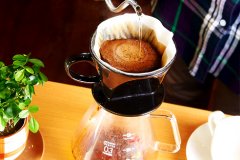
When was coffee introduced into China? Spread and Development of Coffee in China
The word coffee comes from the Greek word Kaweh, which means strength and enthusiasm. Coffee tree is an evergreen shrub of Capsaceae. Daily coffee is made from coffee beans combined with a variety of cooking utensils, and coffee beans refer to the nuts in the fruit of coffee trees, which are then roasted with appropriate roasting methods. In ancient China, Shennong tasted all kinds of herbs and recorded them one by one.
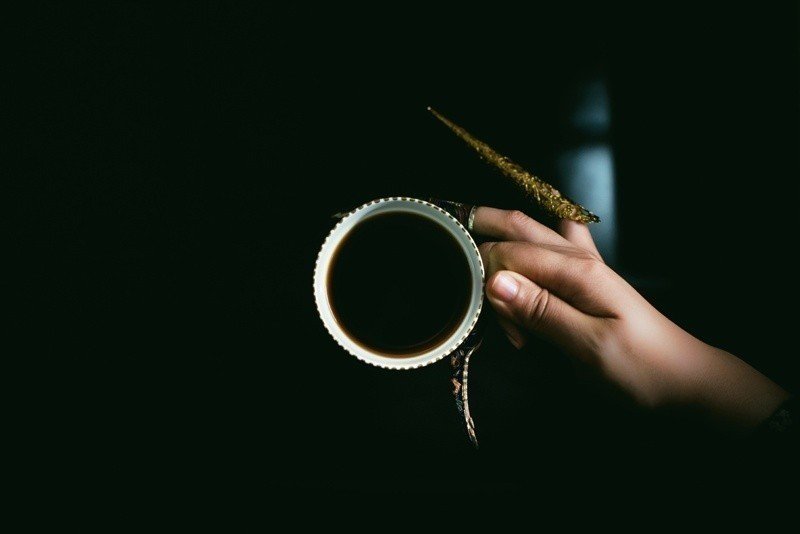
The west wind in the coffee cup is spreading to the east: is Starbucks a waste of Chinese culture?
Professional coffee knowledge exchange more coffee bean information Please follow the word Coffee Workshop (Wechat official account cafe_style) Coffee, which first appeared in the China University Dictionary in the early years of the Republic of China, became the official name of a unified jianghu, and finally put an end to the strange and chaotic translation of names such as Kaofei and eating fat. China is a country of writing, so it must have a correct name. The confirmation of the word coffee represents the people.

Are you still going to Starbucks for coffee?
The word coffee did not exist before the late Qing Dynasty. The Chinese first called this kind of thing drunk by foreigners as black wine, and during the Tongzhi period, there was a book on making foreign rice, which taught Chinese cooks how to cook western food and called it fattening. According to the examination of later generations, coffee became a Chinese vocabulary, which began with the China Great Dictionary in 1915. Since then, drinking coffee has become a very foreign thing.
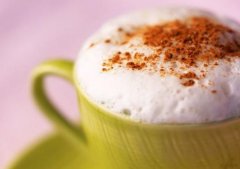
The ancients drank tea and played "pull flowers", which far exceeded the modern coffee skills.
Cappuccino, popular in the 21st century, pays special attention to pulling flowers, to pull into a variety of patterns, heart-shaped, rose-shaped, or pull out two connected hearts, or pull out the five petals of plum blossoms, in a variety of ways, to name a few. In fact, people in the Tang and Song dynasties played the game of pulling flowers more than a thousand years ago, and their skills are far better than those in these modern cafes. The tea ceremony in Tang and Song dynasties is

Summer Palace Culture and Business Space introduction the summer palace coffee created by Wanda Group is opened in Jiuqing Chaofang.
Everyone knows the Summer Palace, right? The Summer Palace was a royal garden in the Qing Dynasty, which was built by drawing on the design techniques and characteristics of the gardens in the south of the Yangtze River. The Summer Palace is now the largest and most well-preserved royal garden in China. It is an AAAAA-level tourist scenic spot in Beijing, the first batch of national key cultural relics protection units in China, and also a world-famous world-class heritage. There are nine in the Summer Palace.
Chinese Tea and Western Coffee Culture
Tea, coffee and cola are called the three largest drinks in the world, and the largest consumption is tea and coffee. Coffee plays an irreplaceable role in the life of westerners, no matter in school, company, shopping mall or at home, everyone enjoys it with a coffee cup, while tea is deeply rooted in Chinese life, it is not only a kind of drink, but also carries Chinese culture. Tea and coffee represent
A comparison between Chinese Tea and Western Coffee Culture
Tea, coffee and cola are called the three largest drinks in the world, and the largest consumption is tea and coffee. Coffee plays an irreplaceable role in the life of westerners, no matter in school, company, shopping mall or at home, everyone enjoys it with a coffee cup, while tea is deeply rooted in Chinese life, it is not only a kind of drink, but also carries Chinese culture. Tea and coffee represent

What are the pictures of making tea? what's the name of each? introduction to the tea set for drinking high-grade tea.
When TEAWARE talks about tea sets, there are different English terms to address them, such as Lu Yu, the main cradle of tea culture. In the records left by predecessors, TEAWARE is used instead of TEATOOL as a proper noun to refer to all utensils used to make tea, and tea sets are widely used in all brewing.
General knowledge of Chinese Tea and Western Coffee Culture
Tea, coffee and cola are called the three largest drinks in the world, and the largest consumption is tea and coffee. Coffee plays an irreplaceable role in the life of westerners, no matter in school, company, shopping mall or at home, everyone enjoys it with a coffee cup, while tea is deeply rooted in Chinese life, it is not only a kind of drink, but also carries Chinese culture. Tea and coffee represent

The influence of Coffee Culture on Chinese Tea and Western Coffee Culture
Tea, coffee and cola are called the three largest drinks in the world, and the largest consumption is tea and coffee. Coffee plays an irreplaceable role in the life of westerners, no matter in school, company, shopping mall or at home, everyone enjoys it with a coffee cup, while tea is deeply rooted in Chinese life, it is not only a kind of drink, but also carries Chinese culture. Tea and coffee represent
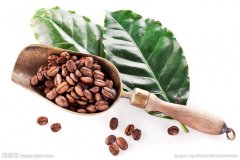
The first coffee tree planted in Chinese mainland is the cultivation of Yunnan small coffee in Yunnan Province.
The first coffee recorded in history books was the planting of China's first coffee tree in Taiwan in 1884. In the tenth year of Guang Xu in the Qing Dynasty (AD 1884), a British tea merchant found that the climate of Taiwan was very similar to that of Central and South America, so it would be a good geography for growing coffee. As a result, the businessman introduced 100 Arabian coffee trees to Taiwan to grow, which became Chinese coffee.

Taiwan tea No. 18 Hongyu black tea introduces the price of Taiwan's top red jade black tea? how to make it good?
Taiwan tea No. 18, also known as Hongyu, Sun Moon Lake black tea. Taiwan Camellia and Burmese big-leaf species Burma were selected from the local tea industry improvement field in Taiwan. After more than 50 years of breeding experiments, the selected varieties are suitable for black tea. The water color of the tea is bright red, wearing a gold ring, emitting a touch of mint and cinnamon, with a mellow taste. Summer tea set convergence, after the entrance of the tea, there will be some slightly astringent feeling
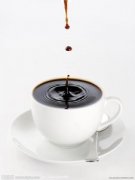
A comparison between Chinese Tea Culture and Western Coffee Culture
Tea, coffee and cola are regarded as the three major drinks in the world, and the largest consumption is tea and coffee. Coffee is a substitute for coffee in the life of westerners, no matter at school, in the company, or at home as usual, everyone enjoys it with a coffee cup, while tea is hard to change in Chinese life. It is not only a kind of drink, but also carries Chinese and Chinese culture. Tea and coffee represent